Why Breakouts Fail in Trading (and Why They Always Return to the Range)
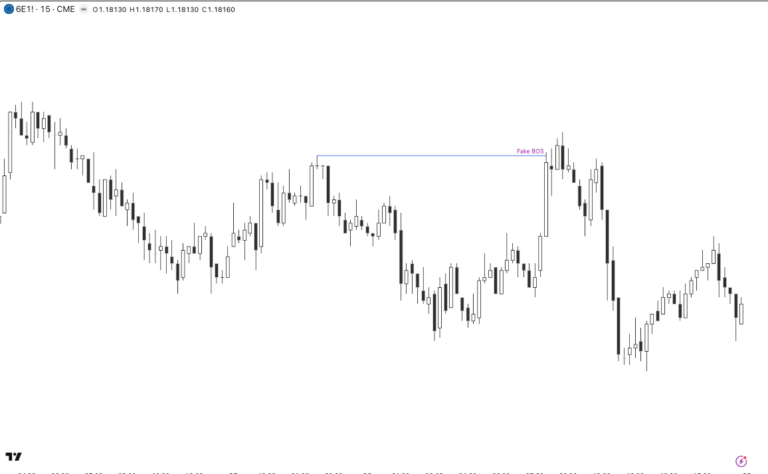
If you have been trading for a while, this has surely happened to you: you see a clear, clean, “textbook” breakout. The price breaks an important level, you enter convinced… and minutes later the market reverses and takes you out.
Once might seem like bad luck. But when it happens over and over again, it stops being a coincidence.
The real question is not why this breakout failed, but:
why do so many breakouts fail in trading?
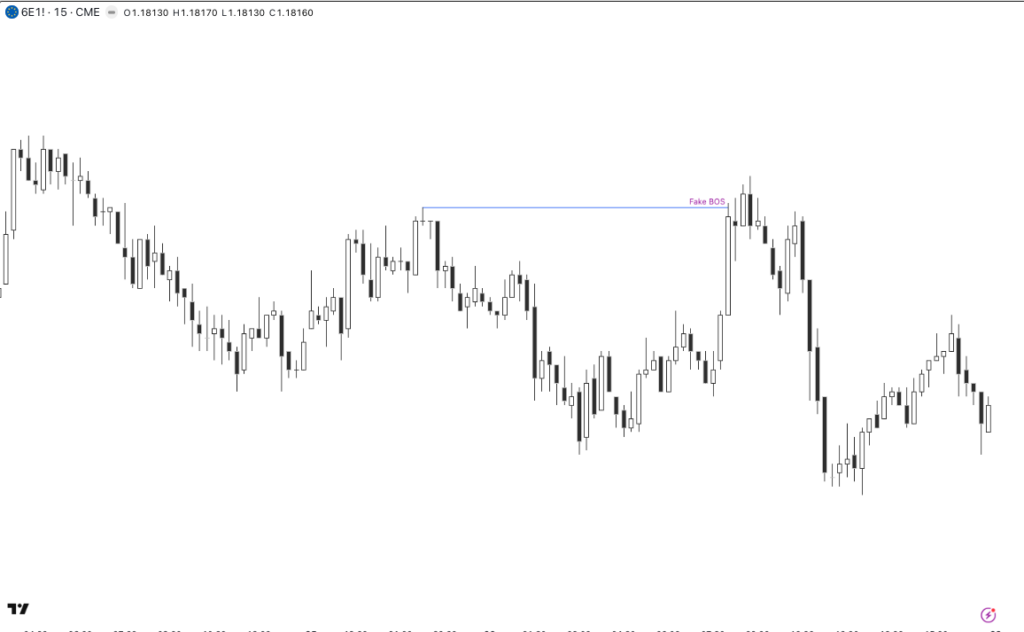
The most common mistake: believing the breakout is the beginning
Most traders have been taught to think like this:
“If the price breaks a level strongly, the move has just started.”
The problem is that the market does not need to break levels to move forward. It breaks them because it needs liquidity.
Every visible breakout serves a much simpler and much crueler function: to trigger orders, stops, and late entries.
The breakout is not the beginning. In many cases, it is the end of the deception.
What really happens when the price “breaks”
When a level is obvious, something predictable happens:
- Traders buy the breakout
- Others place stops just behind
- Liquidity accumulates at a specific point
The market doesn’t see an opportunity. It sees fuel.
That’s why the price accelerates right where everyone enters. Not to continue, but to consume those orders.
Once the job is done, the price no longer needs to stay there.
Why the price almost always returns to the range
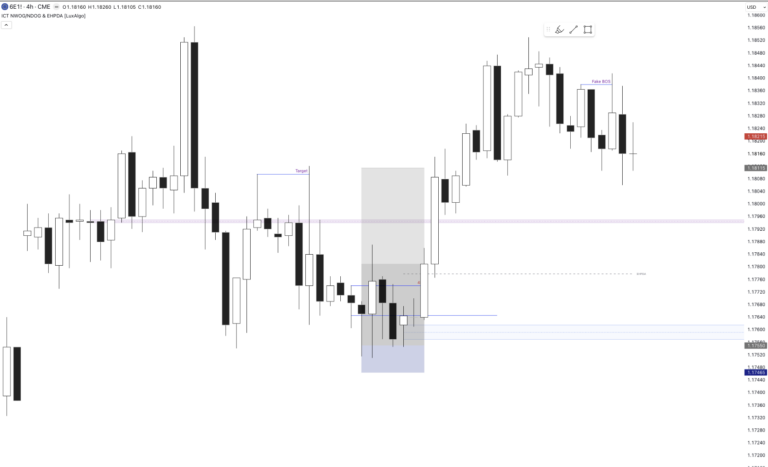
After the expansion comes what many call a “pullback.” But it is not a technical correction.
It is a return to equilibrium.
The price returns:
- to the origin of the expansive candle
- to the previous range
- to the point where the trap began
Not because the market “made a mistake,” but because it has already completed its function.
The expansion is noise. The return is the truth.
False breakouts: they are not mistakes, they are design
Calling them “false breakouts” is a conceptual error. They are not false.
They work exactly as they should.
The fault is not in the market, but in the trader’s expectation:
- believing the breakout confirms
- believing that strength means continuation
- believing the price seeks direction
The market does not seek direction. It seeks liquidity.
The pattern no one explains to you
If you observe calmly, you will always see the same:
- Clear range
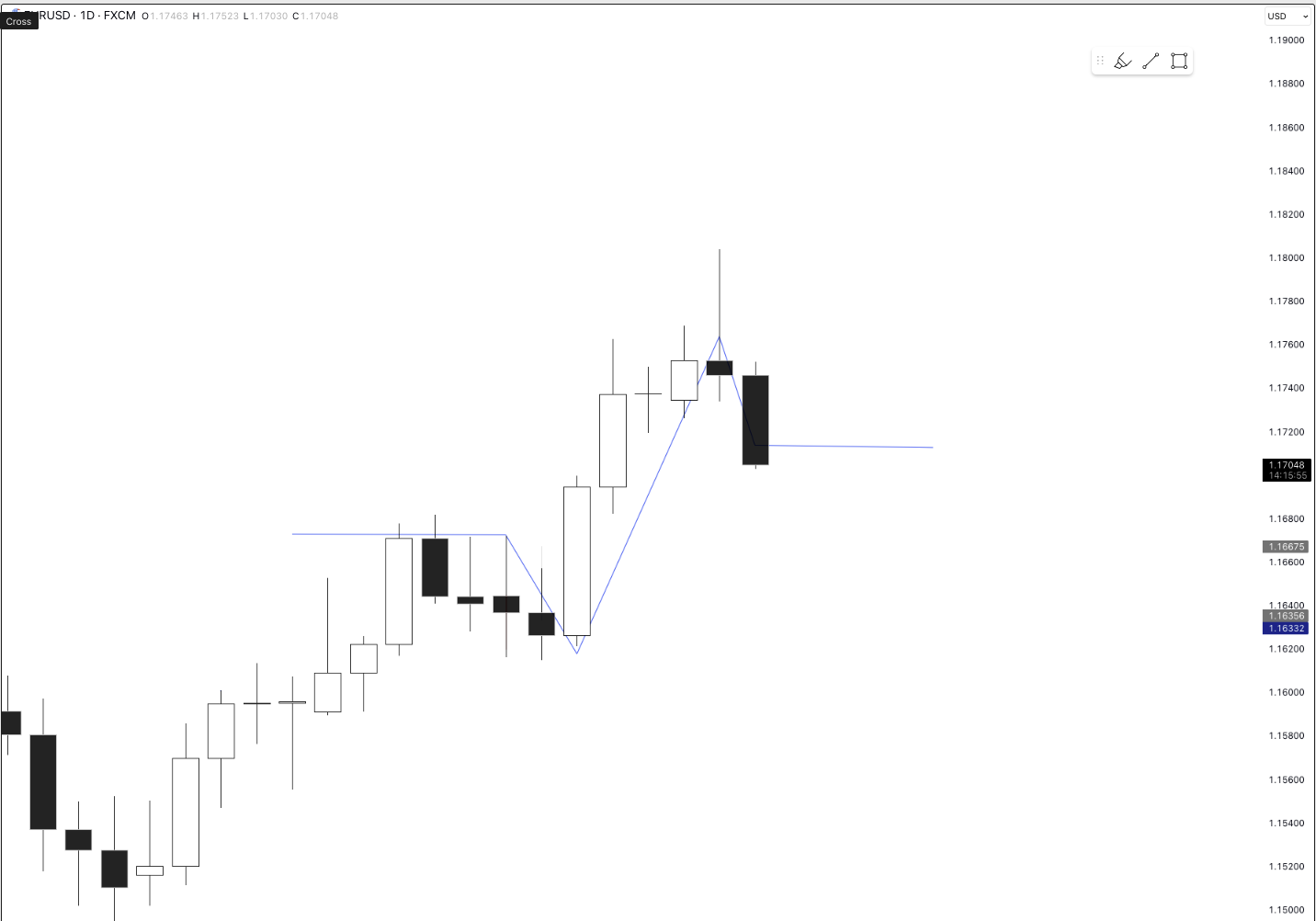
- Aggressive breakout
- Emotional reaction from the public
- Quick return to the range
This happens in Forex, indices, crypto, and any timeframe.
It is not a technical pattern. It is an algorithmic behavior.
So… how should the price be read?
The mistake is not trading the breakout badly. The mistake is trading it.
When the price breaks clearly, the correct question is not:
“How far can it go?”
But rather:
“Who is it liquidating right now?”
When you understand that, you stop chasing movement and start waiting for the return.
The breakout is not the opportunity. It is the warning.
The market warns before reversing. But it does so just when it seems most obvious.
That’s why most enter there. And that’s why most lose there.
Consistency is not in guessing the direction, but in understanding when the market has finished deceiving.
Breakouts do not fail. They work exactly as the market needs.
The problem is that almost no one understands what they exist for.
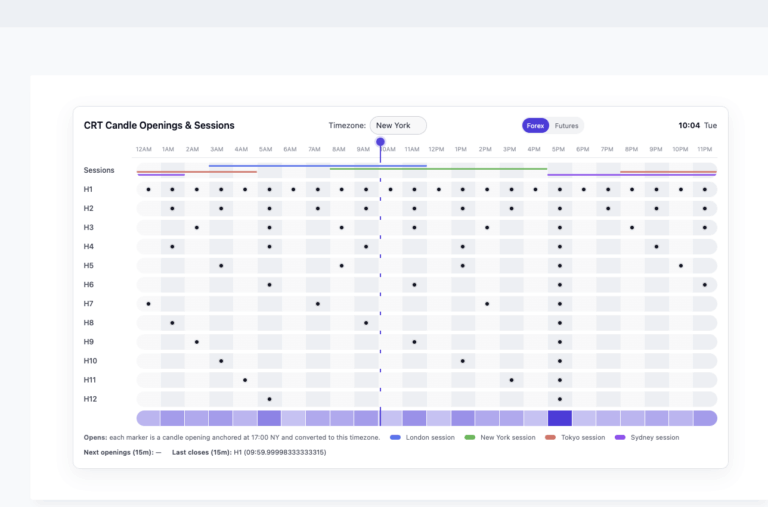
If you want to dive deeper into this logic —how the price expands and then returns to the range and balances— here is the complete conceptual basis:
Candle Range Theory: how to read the market without reacting to the trap