The market does not move because of news (it moves because of liquidity).
For years the same idea has been repeated: that the news moves the market. That a macro data point, an interest rate decision, or a press conference explains why the price goes up or down.
But if you really trade, you know something doesn’t add up.
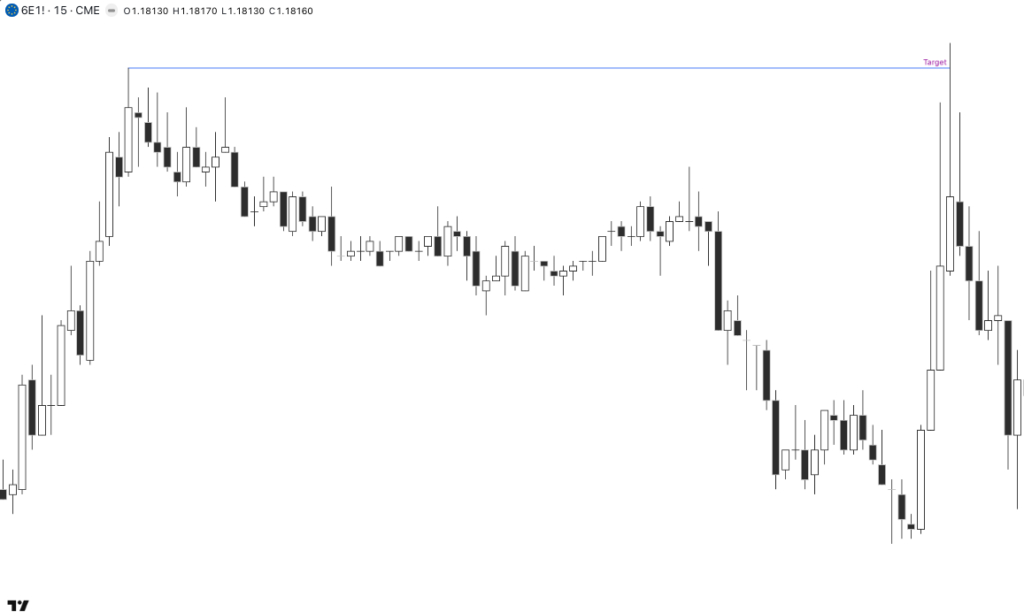
“Good” news with violent drops. “Bad” news with aggressive rises. Strong movements before the data is published.
The question is not whether the news fails.
The question is why we keep believing that it moves the market.
The news does not create the movement, it justifies it
The market does not react to information like a person does.
It does not interpret. It does not reason. It does not decide.
The movement was already prepared before the headline appeared.
The news serves another function: to give meaning to the movement so that the crowd acts.
Without a story to tell, the trader hesitates. With news, they react.
Why the price moves before the data
If the news moved the market, the movement would start afterwards.
But the opposite happens:
- the price positions itself beforehand
- tight ranges are created
- volatility compresses
That is not waiting. It is preparation.
The market needs enough orders ready to be executed when the stimulus arrives.
The news as an emotional trigger
When the data is released, thousands of traders interpret the same thing at the same time.
Some buy out of euphoria. Others sell out of fear. Others jump in late.
The result is not processed information, it is synchronized emotion.
That emotion turns into orders.
And those orders are the real reason for the movement.
Why the news creates false breakouts
The news is the perfect setting for deception:
- high volatility
- clear breakouts
- apparent direction
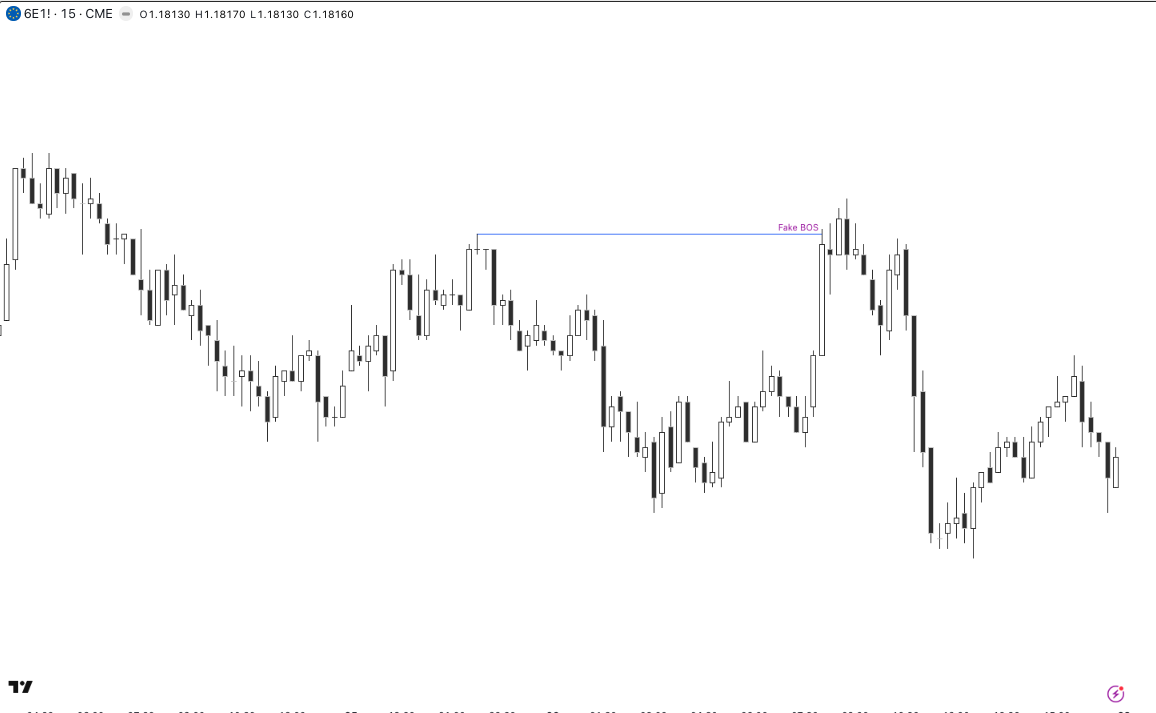
Just when everything seems logical, the market executes.
The expansion is not reaction. It is liquidation.
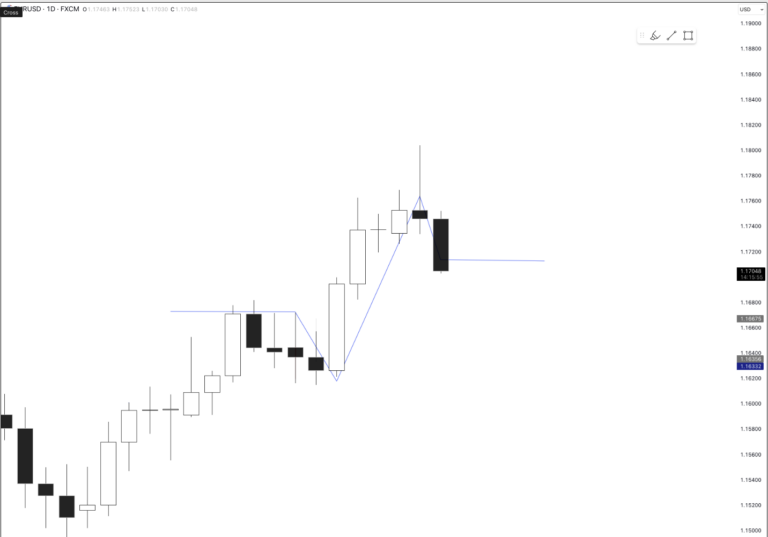
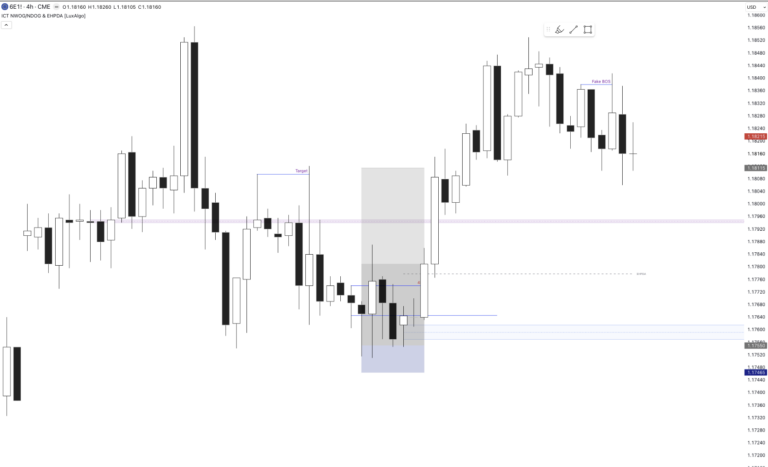
That is why so many breakouts after news end up returning to the range.
The market does not seek to reflect reality
An uncomfortable but essential idea:
the market does not move to reflect the economy, it moves to redistribute liquidity.
The news is the perfect pretext to activate the crowd without raising suspicion.
When everyone looks at the headline, the algorithm executes.
So… how should news be interpreted?
Not as a signal.
But as a phase of the process.
The right question is not “is it good or bad?”, but:
“what liquidity does the market need right now?”
When you understand that, you stop trading the news and start observing what happens afterwards.
The uncomfortable truth
News does not move the market.
They move the traders.
And the market moves against the collective reaction.
While most try to anticipate the impact of news, the market has already done its job.
The initial expansion is not opportunity. It is noise.
The subsequent return is where balance is restored.
If you want to understand this behavior from the root — how the price expands then returns to the range — here is the complete framework:
👉
Candle Range Theory: understanding the market without reacting to the headline