Why the price always returns to the range (it’s not a coincidence)
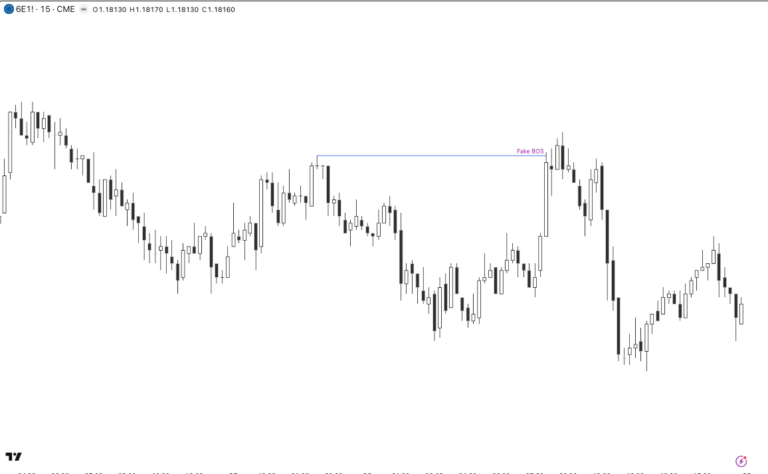
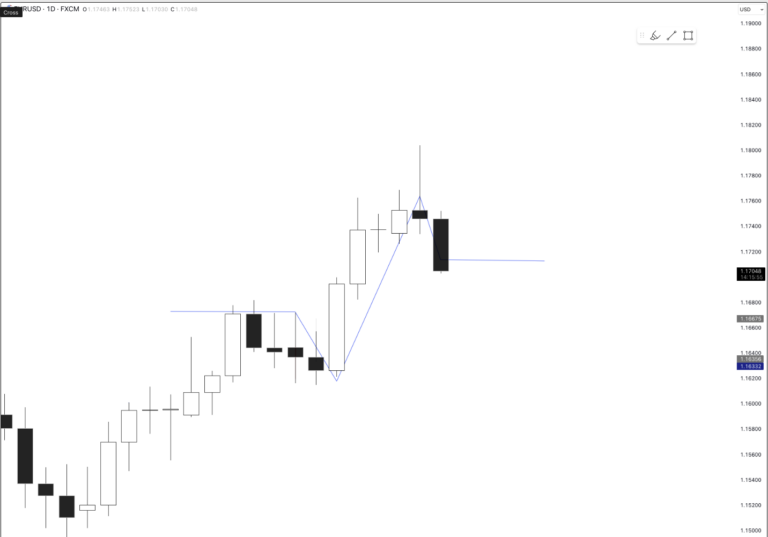
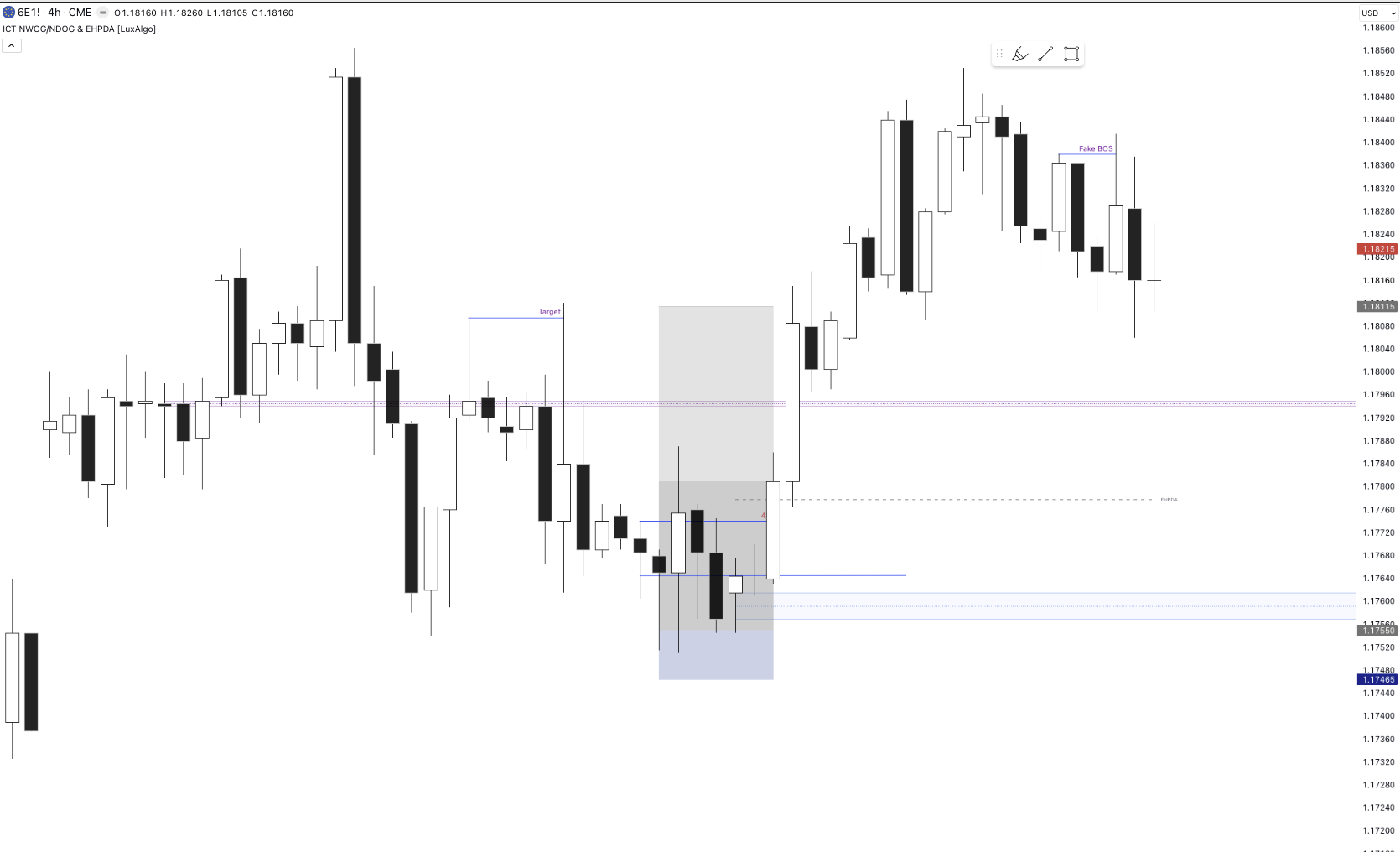
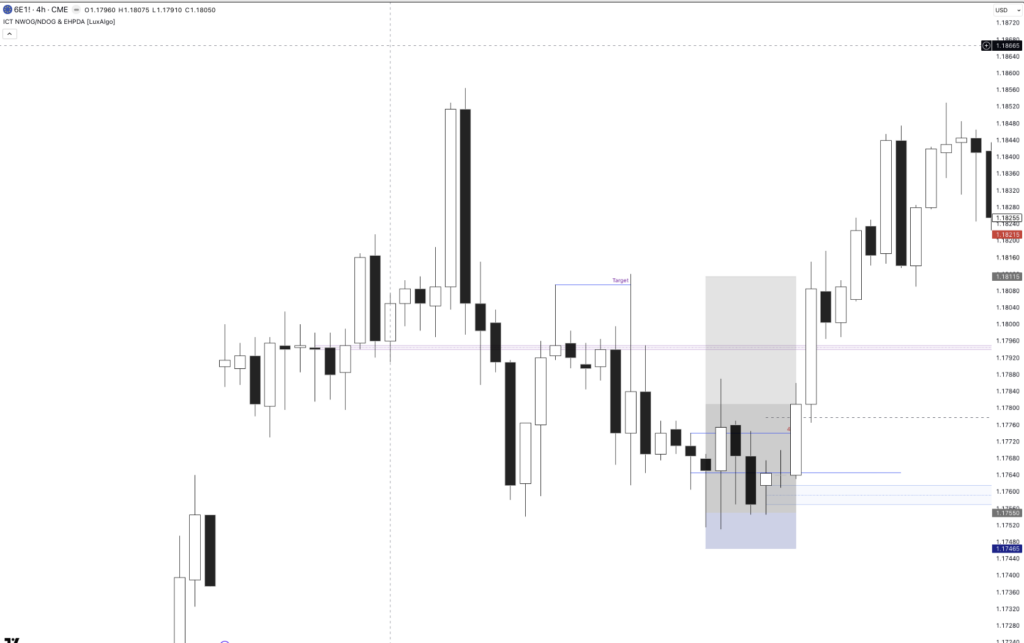
If you observe the market calmly, there is something that repeats constantly: after a strong movement, the price returns.
It returns to the origin. It returns to the range. It returns to the point where it all began.
No matter the asset, the timeframe, or the news of the day.
The question is not if it will return.
The question is why.
The mistake of believing the market seeks direction
Most traders analyze the market as if it had directional intent.
It goes up because it is bullish. It goes down because it is bearish.
But the price has no intent. It has a function.
And its main function is not to advance, but to balance.
What the range really is in trading
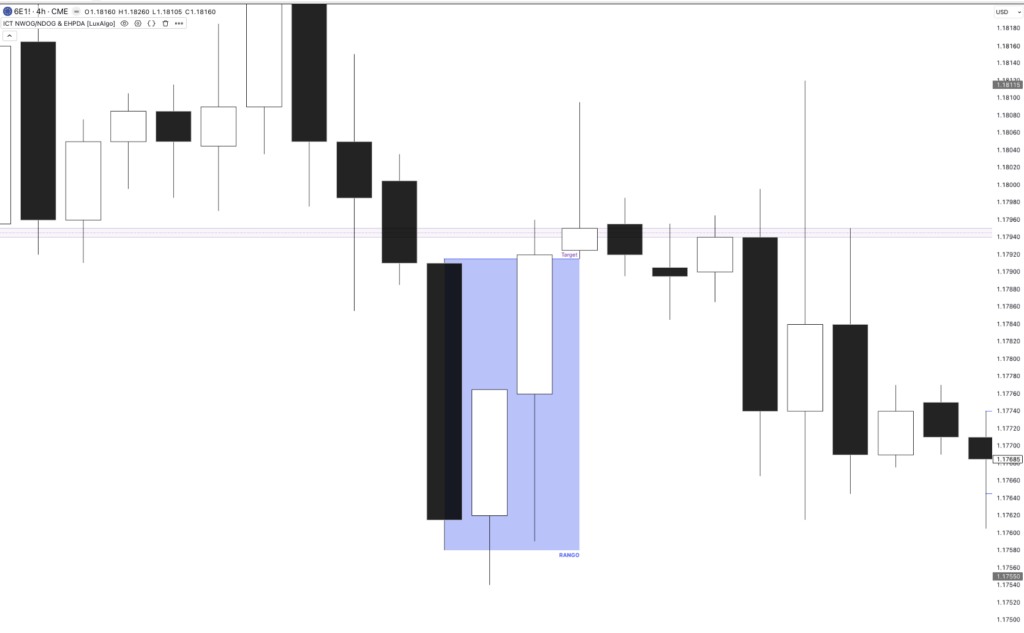
The range is not a zone of indecision.
It is not a “boring” market.
It is the natural state of the price.
It is where volume is exchanged efficiently. Where buyers and sellers accept the price.
When the market moves away from that point, it is not progressing. It is seeking liquidity.
Why the price expands
Expansion occurs when the market needs something:
- to trigger stops
- to provoke late entries
- to create temporary imbalance
Expansion is not the final goal.
It is the means to generate the necessary imbalance so that the price can return.
The return is not a failure, it is the goal
From the outside, the return seems like a mistake.
A movement that “did not continue”.
But from the inside, it is exactly the opposite.
The market has already done its job.
It has collected liquidity. It has triggered orders. It has redistributed positions.
Now it can return to the equilibrium point.
Why almost everyone loses in the expansion
Expansion is emotional.
It is fast. It is aggressive. It is obvious.
It is designed for the trader to act.
But acting there means entering when the process is already advanced.
The return happens when the emotion is exhausted.
The range as a reference, not as an obstacle
When you understand that the range is the equilibrium point, your way of reading the market changes.
You stop seeing levels to break and start seeing zones to which the price tends to return.
The question stops being:
“How far can it go?”
And becomes:
“From where has it moved too far away?”
The behavior that repeats in all markets
This pattern is not exclusive to Forex.
It occurs in indices, stocks, cryptocurrencies, and commodities.
It does not depend on the asset, but on the human behavior that the market exploits.
Where there is collective emotion, there is expansion.
Where the emotion is exhausted, there is return.
Conclusion
The price does not return to the range by chance.
It returns because that is its natural state.
Expansion is the temporary deviation. The range is the balance.
When you understand this, you stop chasing movements and start reading the market from its structure.
If you want to deepen this approach —understand the range as an equilibrium point and not as an obstacle— here is the complete framework: